
With AiW Guest: Carolyn Kuebler, editor of New England Review.
AiW note: Today, part of our now annual AiW Caine Prize series, is the first of our Writer-Publisher 2024 Caine Prize Shortlist Q&A duos, plugging in to our interests in prizes, publication avenues, and ‘the other side of the desk’ more generally.
The “twin” to our ‘Words on / Caine Prize’ Q&A — here with editor Carolyn Kuebler, of New England Review — is with Nigerian writer, Samuel Kọ́láwọlé. New England Review featured Kọ́láwọlé‘s 2024 shortlisted story, ‘Adjustment of Status’ in 2023.
Read the complement to the publisher’s from the writer’s perspective of Samuel’s responses, also out today, here. These “twinned” Writer-Publisher Q&As will continue through the rest of the ‘Words On’ series this week. Catch them, with all our 2024 Caine Prize Shortlist coverage so far, here.
NB: As with our previous coverage of the Prize, we spoke to our interviewees before the winner was announced on September 17th.

AiW: Carolyn, many thanks for agreeing to speak with us and open up these often less visible roles in the outcomes of a literary prize, on behalf of New England Review. Here at AiW, we believe these routes are particularly important in the broader literary ecosystems of the circulation and valuation of African writing, and are grateful to have your thoughts.
As its publisher, could you tell us about your journey with Samuel Kọ́láwọlé‘s ‘Adjustment of Status’, your “story of the story”, so to speak? How did it come to you? What made you “see” it, initially, for the magazine, and as a Caine Prize story?
Carolyn Kuebler, New England Review:
“Kolawole’s story of a Nigerian man’s grueling work in an American morgue reveals the human cost of illegal immigration and the deceptive allure of the West. It’s both potent and understated as it chronicles this man’s deep loneliness and unbearable shame.”
Samuel Kọ́láwọlé’s powerful story came to the New England Review through our nonfiction editor, Elizabeth Kadetsky, who is a colleague of Samuel’s at Penn State University. She handed it off to our editorial staff in fiction, who were excited about the story’s affecting chronicle of grueling work and loneliness. We all found the story very affecting but thought some edits might sharpen and clarify its context and so asked the author if he’d be willing to revise. And he did! Nothing drastic, but enough to make the whole story sing even more clearly. We were very happy with the results, and so published it in the very next issue. We also suggested a new title for the story, from “Still Life” to “Adjustment of Status.” When we nominated it for the Caine Prize, we were very hopeful that this would be a winner and so nominated it pretty much the same day as the submissions period opened.
In a Prize noted for its “firsts”, it’s noticeable that this year, all the Caine Prize stories on the shortlist have been first published in, and so submitted to the Prize, by literary magazines founded and based in the US — all with a strong online presence and subsequent breadth of reach. Could you perhaps comment on that for us by telling us a bit more about your work with African writing, how it fits into your broader remit and your experience of publishing as a literary magazine?
We believe that an international perspective benefits everyone, and so New England Review is always looking to include writers from all over the world, often in translation, in every issue. This has been the case since our first publication in 1978, but with online submissons and an online readership we’re more and more able to bring international writers and their translators into our pages. We also publish one international portfolio per year. We hope that by publishing a story that was shortlisted for the Caine Prize will mean more writers from Africa will both read and submit their writing to our magazine. It’s a great honor to have published a shortlist selected story!
What would you say is the best investment you’ve made in your professional self / selves, and/or the most valued advice you’ve received about navigating your industry (or industries)?
When New England Review published a feature on new writing from South Africa back in 2017, I became very interested in the languages and literature of that place and so discovered the Johannesburg Review of Books—which is an inspiring resource and covers many more countries in Africa as well. I recommend it!
Finally, how can our blog, books, reading, and online communities best offer support for your work with African writing?
Probably the best way for you to support our work with African writing would be to spread the word about our open submissions periods – they happen each year in March and September – so that more African writers can find our magazine and give us the chance to read their work.
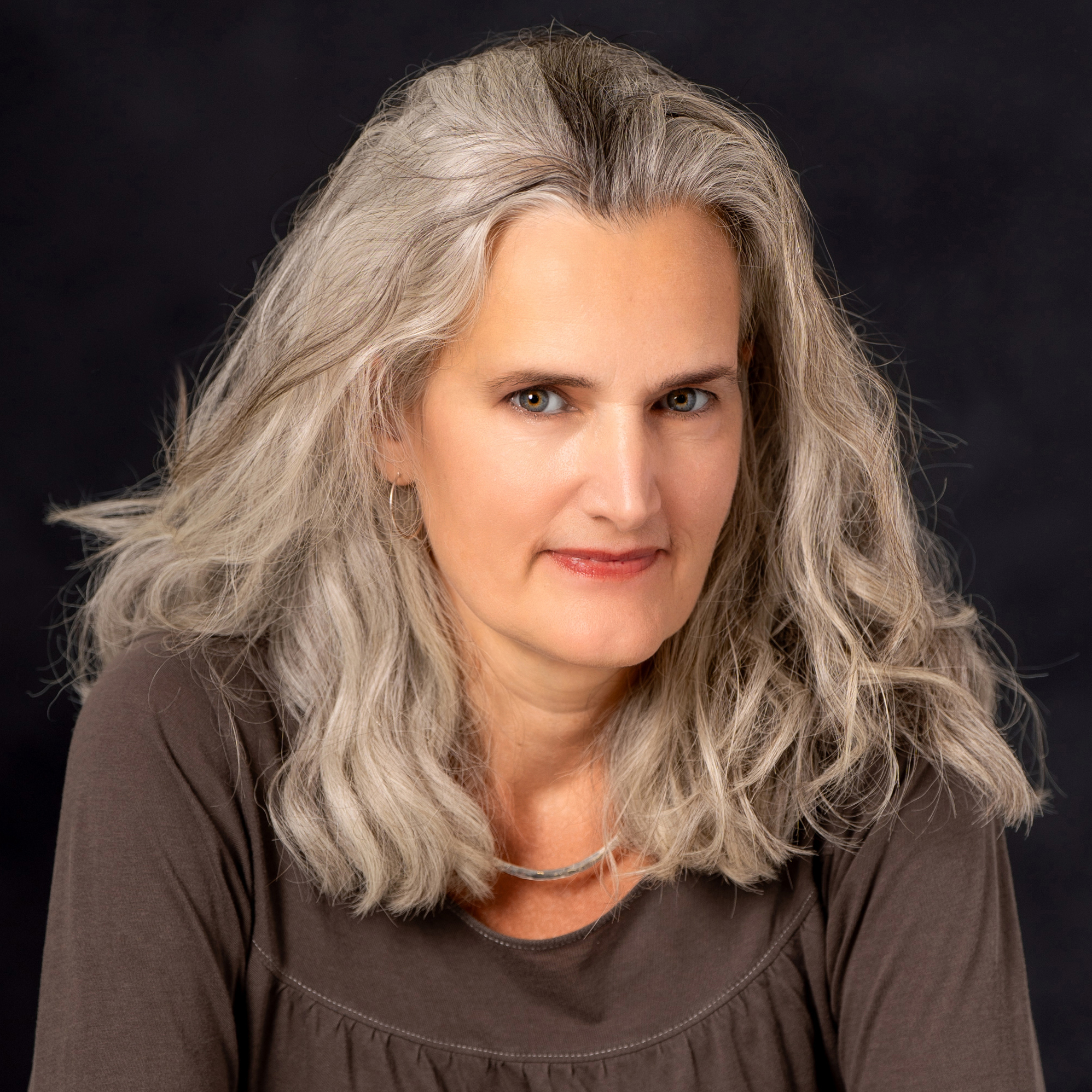
Carolyn Kuebler is the editor of New England Review. She works with authors at all stages of their careers, particularly in fiction and nonfiction, and is always on the lookout for new voices, styles, and forms. Before coming to NER, she was an associate editor at Library Journal and founding editor of Rain Taxi Review of Books. Winner of the John Burroughs Award for Nature Essay, she has published her writing in the Massachusetts Review, Colorado Review, The Common, and others. Her debut novel, Liquid, Fragile, Perishable, was published this year by Melville House.
New England Review: www.nereview.com
About/history: https://www.nereview.com/about/


‘Adjustment of Status’, as it appeared in New England Review, and all the stories shortlisted for 2024, can be accessed via the Caine Prize website, or by clicking direct on ‘Shortlist…The Stories’ image below.

For more on the 2024 shortlist and the changes to the format of the Prize, looking ahead to its anniversary edition in 2025, visit: https://www.caineprize.com/.
With congrats and thanks to all our Q&A Caine Prize Shortlist 2024 participants; our reviewers; and special thanks to Ajoke Bodunde and Ellah Wakatama at the Caine Prize.
Categories: Conversations with - interview, dialogue, Q&A
 Q&A: Words on… Noisy Streetss’ ‘Love in Detty December’ anthology, III
  Words on… Maik Nwosu: A Voice above the fray (Q&A)
  Q&A: Spotlight Interview with Ellah Wakatama, Chair of the Caine Prize for African Writing
  Q&As: Nadia Davids’ ‘Bridling’ – on the Caine Prize Shortlist 2024
  africainwords.com
Samuel Kọ́láwọlé’s ‘Adjustment of Status’ is a compelling addition to the Caine Prize shortlist, showcasing his unique voice and storytelling prowess. The New England Review’s publication highlights the importance of diverse narratives in contemporary literature, inviting readers to engage with profound themes of identity and belonging.