
With AiW Guest: Uche Okonkwo.
We’re continuing with a new series of ‘Words On’ Caine Prize Q&As, today featuring the first of our “twinned” sets with two writers whose stories were shortlisted for the 2024 Caine Prize, here with Uche Oknonkwo, whose twin Q&A set is with ‘Pemi Aguda.
Yesterday, we put the ‘Words On / Caine Prize’ 2024 Q&A set to the Chair of the Judges, Chika Unigwe. You can find it, with more of our Caine Prize coverage so far, here.
As with our previous coverage of the Prize, we spoke to our interviewees before the winner was announced on September 17th.

AiW: Congratulations on being shortlisted for the 2024 Caine Prize for African Writing, Uche. Thank you for your story, ‘Animals’, and for talking with us.
Could we open with a bit about some of the “other lives” or pre-lives of your Caine Prize shortlisted story, perhaps something that our readers might not yet know (or that they should, or need to know) about it?
Uche Okonkwo: ‘Animals’ was partly inspired by childhood memories of my mum bringing home a live chicken that we later ate as food. I was also thinking about how parents’ differences in personality and parenting style might play out in a family where one parent clearly seems to be preferred by their children. Also, I was thinking about the pervasive culture of silence around sex and desire, particularly for women, in Nigeria. All of these ideas came together to form ‘Animals’, which was first published in ZYZZYVA in early 2024. When it came time to enter stories for the 2024 Caine Prize, it was an easy decision to submit ‘Animals’.
Could you tell us a bit about your (other) work — your own writing and/or other kinds of work, roles, or the more general and different sorts of professional hats you wear – and how it might play out in terms of your involvement with short story writing from the continent?
I am currently working towards my PhD in English, with a focus on creative writing, at University of Nebraska-Lincoln. It’s often challenging figuring out how to balance my creative writing with other demands, particularly schoolwork and teaching. But most writers face similar challenges. The experience is teaching me to be more efficient with my time, and also to be kinder to myself when I need to take time away from writing to focus on other things.
Looking to you as a reader, is there a serendipitous or interesting, perhaps even uncanny, book / text related thing that’s happened to you? Perhaps a happy, weird accident that has occurred around books or writing that you can share with us; or a strange, significant – outrageous, even – thing you have done, or would do, because of, or for a book (text / story / piece of writing)?
I have a habit of buying more books than I realistically have time to read. I often imagine that there’ll be a magical period when I’ll have so much free time that I’ll be able to exhaust my reading pile, but that has yet to happen – the pile continues to grow, and I often look at it with a mixture of pride at my collection and despair that I won’t ever finish reading them. I think the same can be said for most book lovers, though, and that makes me feel less alone.
What are the most ethical and/or heart-lifting changes in practice you’ve seen happening across your industry/industries recently? What would you like to see become more visible and celebrated going forward (jobs, roles, avenues, practices)?
It has been wonderful seeing the scope of work coming out of writers from Nigeria and Africa. Along with some of my longstanding favorites like Chimamanda Adichie, Jennifer Makumbi, and Lesley Nneka Arimah, I’ve thoroughly enjoyed reading Blessings by Chukwuebuka Ibeh and God’s Children Are Little Broken Things by Arinze Ifekandu.
Also, I would like to shout out the literary magazines and publishers who continue to publish and promote short stories and story collections. Writers and readers of short stories everywhere thank them.
What would you say is the best investment you’ve made in your professional self / selves, or the most valued advice you’ve received about navigating your industry (or industries)?
I consider my educational experiences (including formal schooling and workshops like Tin House and Breadloaf) as instrumental to where I am today. Besides being able to learn alongside other writers, I’ve also made lasting friendships through these avenues. These relationships are an incredibly important support system through all the highs and lows of writing and publishing.
Finally, how can our blog, books, reading, and online communities best offer support for your work in African writing?
By reading and sharing and spreading the word! Reviews and interviews like this are a great help, and I appreciate the chance to share about my work.
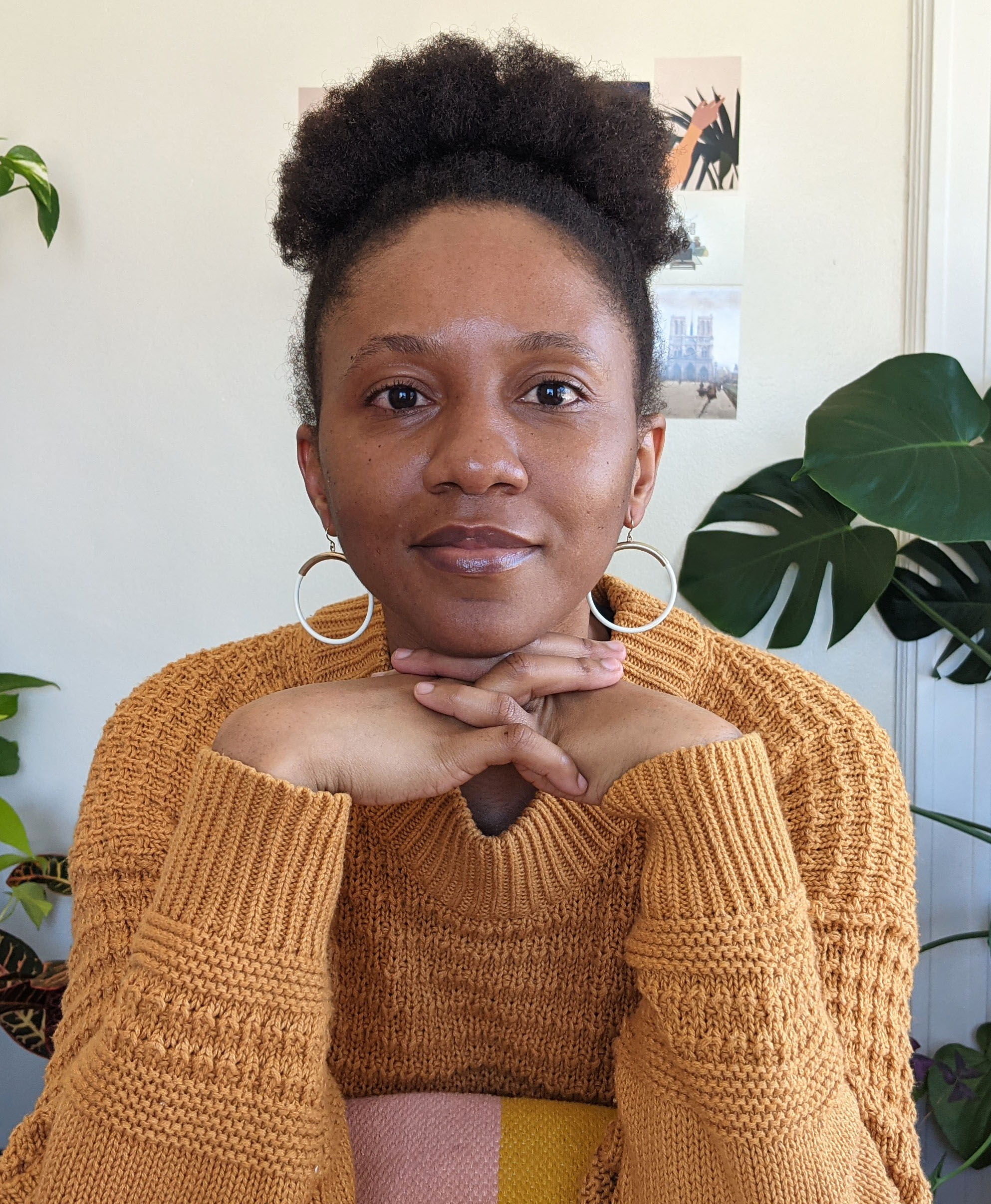
Uche Okonkwo’s stories have been published in A Public Space, One Story, the Kenyon Review, Ploughshares, The Best American Nonrequired Reading 2019, and Lagos Noir, among others. She is the author of the debut story collection A Kind of Madness: Tin House (2024); Narrative Landscape (2024); and VERVE Books (2025). A former Bernard O’Keefe Scholar at Bread Loaf Writers’ Conference and resident at Art Omi, she is a recipient of the George Bennett Fellowship at Phillips Exeter Academy, a Steinbeck Fellowship, and an Elizabeth George Foundation grant. Okonkwo grew up in Lagos, Nigeria, and is currently pursuing a creative writing PhD at the University of Nebraska-Lincoln.
Catch up with ‘Pemi Aguda, shortlisted for her story ‘Breastmilk’ (One Story, 2021) and today’s twinned ‘Words On / Caine Prize 2024 Q&A’, along with all our other posts in the series so far at this link…
NB: Uche and ‘Pemi’s interviews today will be followed each day through the week with sets of twinned As to the same range of ‘Words On’ Qs from the shortlisted writers, and, continuing our attention to the publication routes of African literary production, their publishers — watch this space.
Read ‘Animals’ and ‘Breastmilk’, with all the stories shortlisted for 2024, via the Caine Prize website, or by clicking direct on ‘Shortlist…The Stories’ image below.

For more on the 2024 shortlist and the changes to the format of the Prize, looking ahead to its anniversary edition in 2025, visit: https://www.caineprize.com/.
With congrats and thanks to all our Q&A Caine Prize Shortlist 2024 participants; our reviewers; and special thanks to Ajoke Bodunde and Ellah Wakatama at the Caine Prize.
Categories: Conversations with - interview, dialogue, Q&A, Words on the Times...
 Q&As: ‘Pemi Aguda’s ‘Breastmilk’ – on the Caine Prize Shortlist 2024
  Q&As: Chika Unigwe, Chair of the Judging Panel – the Caine Prize Shortlist 2024
  Q&As: Mame Bougouma Diene and Woppa Diallo – Caine Prize shortlist 2023 – winners
  Q&As: Jendella Benson – Judging the Caine Prize 2023
  africainwords.com
join the discussion: