
With AiW Guest: Tryphena Yeboah.
Today, we’re delighted to continue our, now annual, AiW Caine Prize series, with a Writer-Publisher ‘Words on / Caine Prize Q&A’ from writer Tryphena Yeboah, on the shortlist for the 2024 Prize with her story ‘The Dishwashing Women’.
In the ‘twin’ to Tryphena’s responses today (same sets of Qs, different As), we also hear from Tom Jenks, who published ‘The Dishwashing Women’ in Narrative Magazine‘s Fall 2022 edition.
You can read Tom’s responses and catch up with the Q&As in the series so far — same Qs, different As from writers, publishers, and the Chair of the Judges — on this link.
NB: As with previous coverage, we spoke to our interviewees before the winner was announced on September 17th.

AiW: Congratulations on being shortlisted for the 2024 Caine Prize for African Writing, Tryphena. Thank you for your story, ‘The Dishwashing Women’, and for talking with us.
Could we open with a bit about some of the “other lives” or pre-lives of your Caine Prize shortlisted story, perhaps something that our readers might not yet know (or that they should, or need to know) about it?
Tryphena Yeboah: Thank you so much! I feel honored to have my work alongside this incredible company. As for “other-lives,” it wasn’t until I finished writing the story that I realized so much of it was informed by the experiences of my late mother-in-law, Esther. She worked for diplomats and would often share some stories with me. At the time, it never occurred to me that I would use that hierarchical relationship between an employer and an employee to explore power, classism, and so much more.
I suppose another way to think of the other-life of this story is the writing and revision process. I don’t have several versions of this story. The first time I shared a draft was with my fiction workshop class at the University of Nebraska-Lincoln. After some discussion, my professor at the time, Jonis Agee, simply said, “send it out.” When the story was accepted, I do recall one significant edit was developing Adoma’s character. My editor at Narrative, Tom Jenks, pointed out some inconsistencies in her character traits, and I realized it too. I suppose I had focused so much on developing the lives and friendship of Nkwa-daa and Esiha that the secondary character was not fully fleshed out. I’m glad I did — it made her presence more defined, and her reactions and attitude something that set her apart, a distinction I find rather significant.
Could you tell us a bit about your (other) work — your own writing and/or other kinds of work, roles, or the more general and different sorts of professional hats you wear – and how it might play out in terms of your involvement with short story writing from the continent?
I tend to fumble when answering this question, and perhaps it is because I’m still growing as a writer, still openly curious about my relationship with words, what I choose to write about, and how that continues to change over time. The very first, personal kind of writing I did was journalling, and it is a practice I’ve maintained. What it offers is a space for me to reflect, to turn an inward eye at how I am living and showing up in the world, to pause and think and come to terms with everything and nothing at all. It is honest, introspective, unrestrained, and confessional.
The confessional part of it, I believe, is evident in my short stories. Yes, so much is made up on the page, but there’s also much of my fears, my predispositions and obsessions, my questions, even. As for poetry, I just know that I’m moved by language that manages to capture something that almost seems out of reach, nearly intangible. And how words can capture what may feel like a singular, hidden experience. There’s just something so profoundly beautiful about that, and I hope I come close to achieving that in my fiction. As a teacher, my favorite things to do are listening and paying attention. There are endless possibilities that come from this practice, and I’m deeply grateful to be in a profession that keeps me engaged with people and their stories.
What would you say is the best investment you’ve made in your professional self / selves, or the most valued advice you’ve received about navigating your industry (or industries)?
Reading and cultivating my friendships are really crucial for me. I realize that the writer’s life can be a very solitary one and while I do spend a lot of time by myself, I am grateful for what my friendships offer me—knowing and acceptance, accountability and honesty, and I suppose an invitation to de-center myself, to serve, to step away from this very consuming life and look beyond my needs. It’s a truly humbling and grounding experience, when you think about it. For advice, Kwame Dawes often reminds me about the importance of building a practice of writing, of weaving the act into my routine such that it becomes a part of my living. It does not become this sporadic thing I turn to every now and then, or something I do when all the conditions are feasible for me to write. With a plethora of literary magazines and this sense of urgency to be writers quickly and publicly, one can easily neglect the practice itself—which can be slow, quiet, without applause, and enduring. More than anything, I am learning to be devoted to the practice of writing first, and to be radically intentional about doing it consistently, imperfectly, and conscientiously.
Finally, how can our blog, books, reading, and online communities best offer support for your work in African writing?
I’m grateful for the opportunity to have this conversation, thank you for taking the time to ask these questions! Reading and sharing the work of writers are such important ways to support writers, and the effort is deeply appreciated.
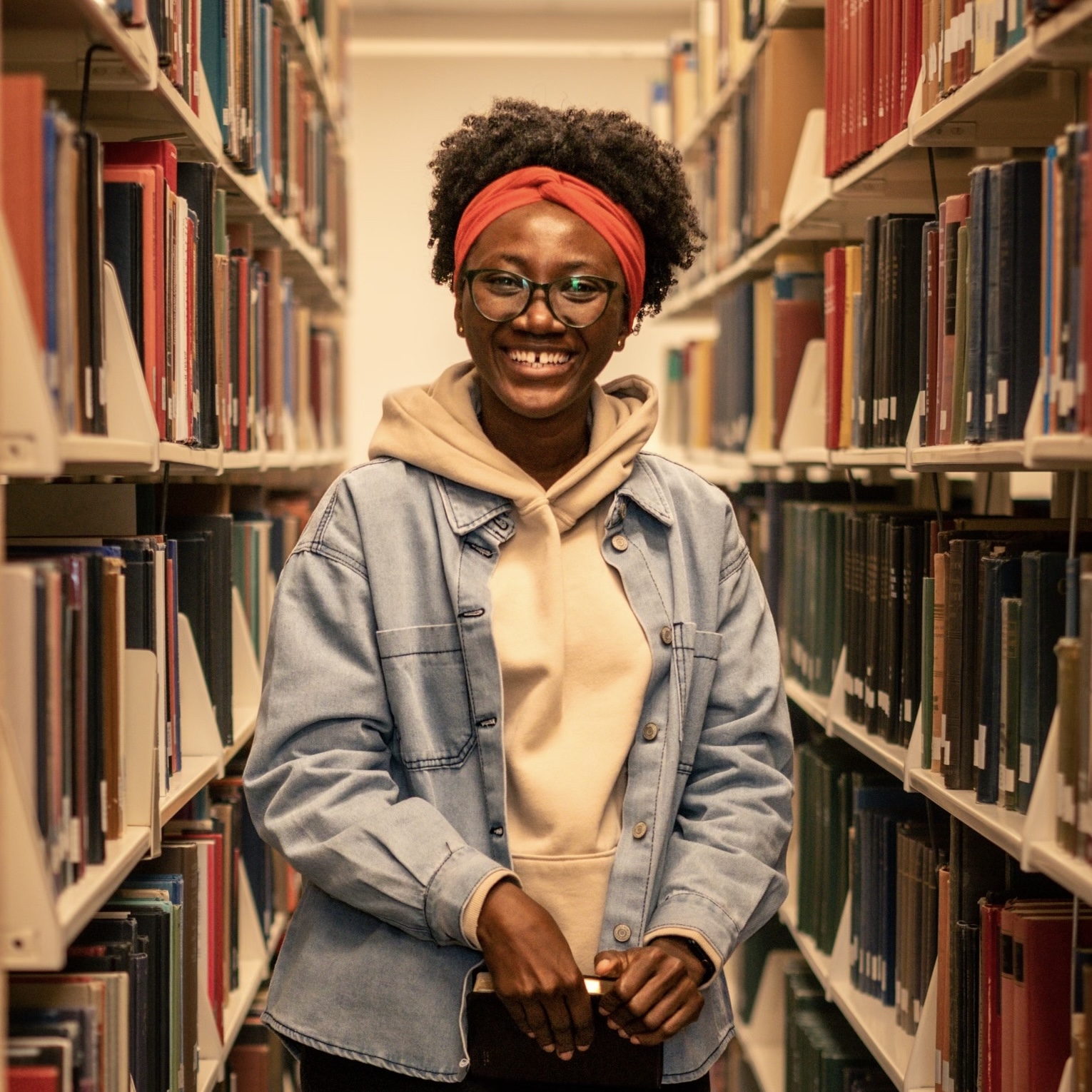
Tryphena Yeboah is a Ghanaian writer and the author of the poetry chapbook, A Mouthful of Home (Akashic Books). Her fiction and essays have appeared in Narrative Magazine, Commonwealth Writers, and Lit Hub, among others. She is an Assistant Professor of English and Creative Writing at Tennessee Wesleyan University.
.
For more on Tryphena’s story and the Caine Prize for African Writing 2024, see today’s twinned Shortlist Words On Q&A with Tom Jenks, publisher and editor of Narrative magazine, where ‘The Dishwashing Women’ was published, in their Fall 2022 edition.
Catch up with Tom and our other posts in the series celebrating the 2024 Caine Prize shortlist at this link…


Read ‘The Dishwashing Women’ as it appeared in Narrative, alongside all the stories shortlisted for the 2024 Caine Prize, via their website; or by clicking direct on ‘The Stories’ image below.

For more on the 2024 Caine Prize, its shortlist, shifts and firsts, visit their website.
With congrats and thanks to all our Q&A Caine Prize Shortlist 2024 participants; our reviewers; and special thanks to Ajoke Bodunde and Ellah Wakatama at the Caine Prize.
Categories: And Other Words..., Conversations with - interview, dialogue, Q&A
 Q&A: Leye Adenle interviews Julie Iromuanya on her debut novel Mr. and Mrs. Doctor
  africainwords.com
join the discussion: